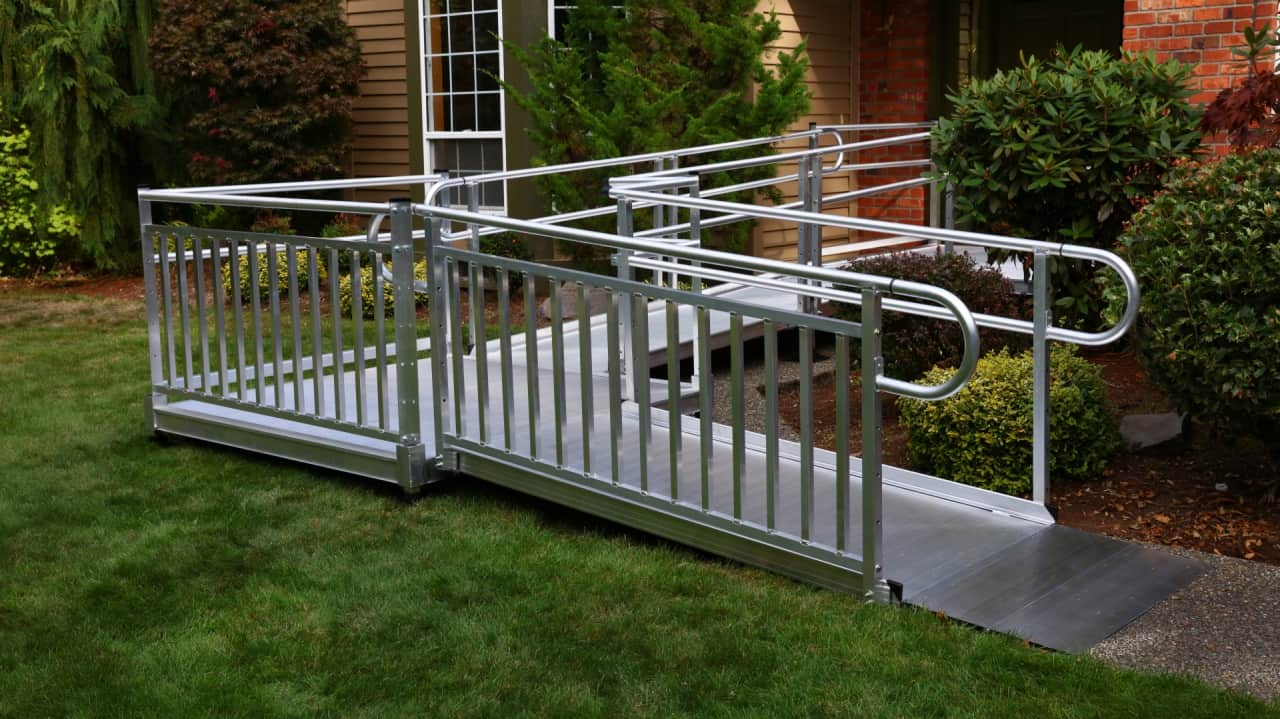
Adding a ramp to your home can make a huge difference in comfort, safety, and independence. Whether you use a wheelchair, scooter, or walker, the best wheelchair ramp for home use will match your space, mobility needs, and local weather.
1. Understand the Slope and Angle
The Americans with Disabilities Act (ADA) recommends a 1:12 slope — meaning for every inch of rise, you need 12 inches of ramp. For example, if your entry is 12 inches off the ground, you’ll need a 12-foot ramp. While residential ramps can sometimes be steeper, a gentler slope is always safer and easier to use.
2. Measure for Proper Ramp Length
Look at the height of the entry point and the available space. If space is limited, you may need to adjust the angle slightly — but never beyond what feels safe and stable. Most ramps should be at least 36 inches wide to accommodate mobility devices comfortably.
3. Choose the Right Material
-
Wood ramps offer a traditional look but require regular sealing and maintenance.
-
Aluminum ramps are more durable and weather-resistant — especially in the rainy Pacific Northwest. They’re also modular and easier to move or reconfigure.
Need Help Choosing the Best Ramp?
At Mobility Access Options NW, we specialize in helping Oregon families find the right ramp for their needs. From modular aluminum systems to custom installations, we’ve got you covered.
📞 Call 971-304-7464 or contact us online for a free consultation.
🔗 Learn more about our wheelchair ramp pricing and how we can help make your home safer.